April 24, 2026
Use this guide to compare bubble tea loyalty programs, choose the right reward model, and grow repeat visits, retention, and average order value over time.

New customers can boost sales for the day, but repeat visits help your shop grow more steadily. So how can bubble tea loyalty programs turn one-time buyers into regulars while also increasing average order value? The right loyalty program gives customers a clear reason to come back and spend more over time.
In this guide, you’ll learn how loyalty programs work, which types fit bubble tea shops best, and how the right setup can support retention, promotions, and smoother daily operations.
Bubble tea loyalty programs are reward programs that encourage customers to keep buying from your shop. They help turn occasional buyers into repeat customers by offering incentives tied to visits, spending, or ongoing engagement.
For your business, that can lead to more repeat visits, stronger customer retention, and higher average order value. Customers get a clear reason to return, and your shop gets more opportunities to build long-term buying habits.
A boba tea loyalty program can be structured in different ways, including points-based rewards, visit-based rewards, tiered perks, and digital promotions. The right setup depends on how your shop operates and how you want to encourage repeat business.
A well-planned loyalty program gives customers a clear reason to come back. When each visit earns points, perks, or progress toward a reward, your shop stays top of mind. That simple incentive can turn occasional buyers into regulars.
Rewards also help strengthen retention over time. A free topping, birthday offer, or member-only deal gives people another reason to choose your shop again instead of trying a competitor. For example, you could send members a free-topping coupon during their birthday month or a buy-one-get-one offer valid for 7 days. That gives customers a timely reason to visit and can bring in extra traffic during the promotion period. Over time, those small incentives can help build stronger buying habits.
Loyalty programs can also raise average order value. You can offer bonus points for orders over a set amount, promote upgrades, or reward combo purchases. That approach encourages customers to add a topping, choose a larger size, or include a snack to unlock more value.
Another benefit is the customer data you collect. You can see how often members visit, what they order, and how much they spend. That information helps you create more relevant promotions, such as a comeback offer for inactive members or a targeted deal based on favorite drinks.
Not every loyalty model fits every shop. Some programs help drive repeat visits. Others help raise ticket size or reward your most loyal customers. Here are four common options and how each one supports your goals.
Points-based programs give customers a clear reason to spend a little more each time they order. Guests earn points on every purchase and redeem them for free drinks, topping upgrades, or discounts.
For example, a shop might offer 1 point for every $1 spent, with 50 points redeemable for a free topping and 100 points redeemable for a free regular drink. This gives customers a clear reason to return and makes the reward path easy to follow. This format also gives you room to promote add-ons, larger sizes, and limited-time offers. If you want flexibility, this is a strong place to start.
Visit-based programs keep the reward path simple. Customers make a set number of purchases, then earn a free item or discount. Think of a classic offer like “buy 9 drinks, get the 10th free.” Guests understand it quickly, and your staff can explain it in just a few seconds. This option fits shops that want an easy program centered on repeat visits.
Tiered loyalty programs reward customers as they spend more or visit more often. As members move up, they unlock better perks such as bonus points, birthday rewards, exclusive deals, or early access to seasonal drinks. This model helps you keep high-value customers engaged and gives guests a reason to keep choosing your shop.
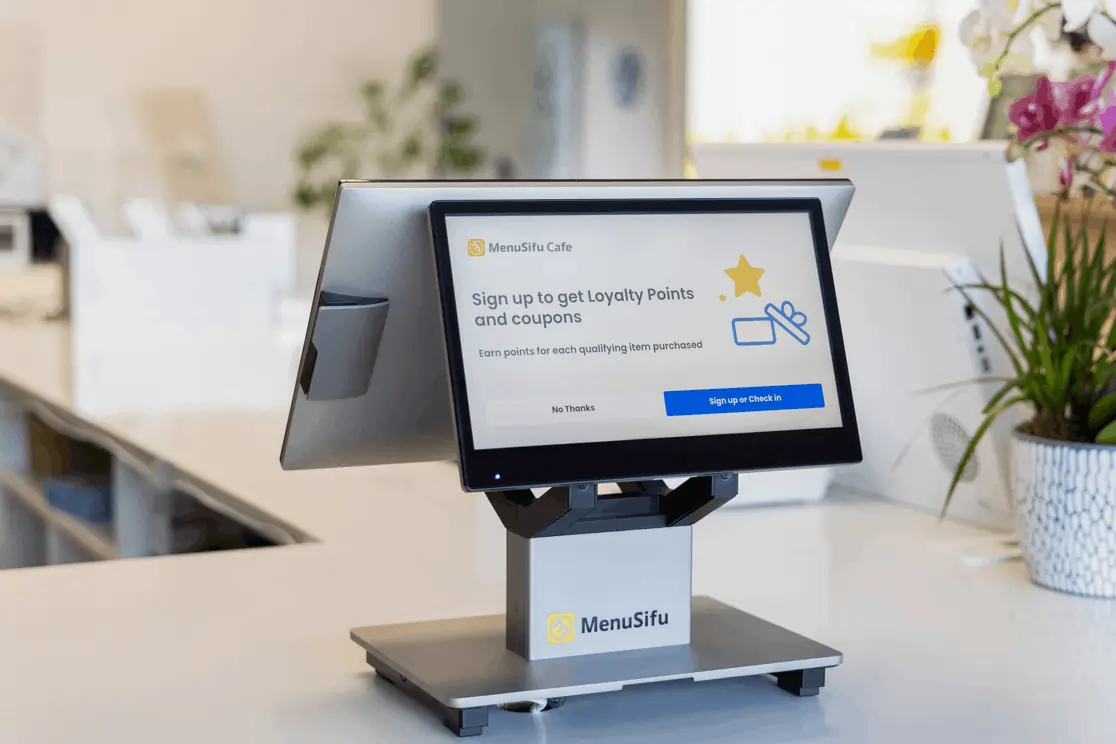
Digital app-based programs let customers join, track rewards, and redeem offers from their phones or a digital wallet. That makes the experience more convenient and keeps loyalty visible between visits. It also gives your shop better access to customer data, targeted offers, and online ordering connections. If you want a more connected setup, this option can support both convenience and growth.
The right loyalty platform should help your team work efficiently while making the customer experience easy from sign-up to redemption.
Look for these features:
For bubble tea shops, it also helps to choose a system that works well with highly customizable orders. Your menu likely includes sugar levels, ice levels, toppings, milk options, and combo add-ons. Your loyalty system should fit that order flow smoothly instead of forcing staff to work around it.
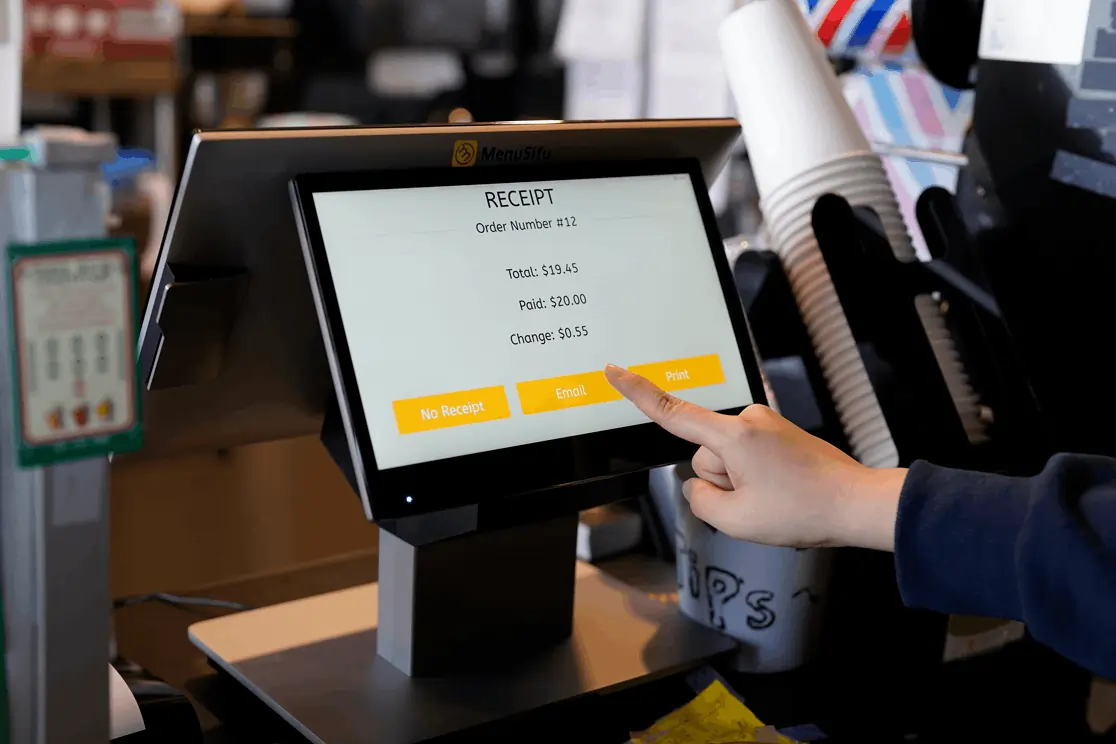
Start with your business goals. If you want to increase visit frequency, a visit-based program may work well. If you want to raise average order value, points tied to spend or threshold-based rewards may be a better fit. If you want to build long-term member value, tiered rewards can give customers a stronger reason to keep coming back.
Next, look at daily operations. Your program should match how customers already order. If you get heavy in-store traffic, kiosk and counter sign-ups may be essential. If many guests order ahead, online and QR enrollment should be part of the setup.
You should also review how easy the program is for staff to manage. A loyalty system should reduce manual work, not add extra steps at checkout. If your team has to switch between separate tools to enroll members, redeem rewards, and track points, service can become harder to manage.
Cost also deserves attention, but price alone should not drive the decision. A lower-cost tool can create bigger problems if it lacks reporting, promotion controls, or reliable POS syncing. Focus on long-term value, operational fit, and the ability to support growth across marketing and service.
A strong boba loyalty program stays simple, visible, and rewarding.
Here are a few practical tips:
Small adjustments can significantly improve results, especially when you base them on customer behavior.
A loyalty program can help drive repeat visits, but a few common mistakes can limit results. Keep an eye on these areas so your program stays easy to join, easy to use, and profitable for your shop.
1. Making rewards too difficult to earn
If customers feel like rewards take too long to reach, they may lose interest early. Set goals that feel attainable so guests stay engaged and keep coming back.
2. Using a sign-up process that takes too long
A long sign-up flow can turn a quick order into a hassle. Keep enrollment short and simple so customers can join in just a few taps at checkout, on a kiosk, or through QR ordering.
3. Offering discounts that hurt margins
Big rewards may attract attention, but they can cut into profit if you do not plan them carefully. Choose perks that customers value and that your shop can sustain over time.
4. Failing to promote the program consistently
If customers rarely hear about your loyalty program, sign-ups will stay low. Mention it at the counter, feature it on your ordering screens, and include it in your online ordering flow so it stays visible.
5. Choosing a system that does not connect with the POS
A disconnected system can create extra steps for your staff and lead to missed rewards or tracking errors. A POS-connected setup keeps points, rewards, and customer data in one place, which helps your program run more smoothly.

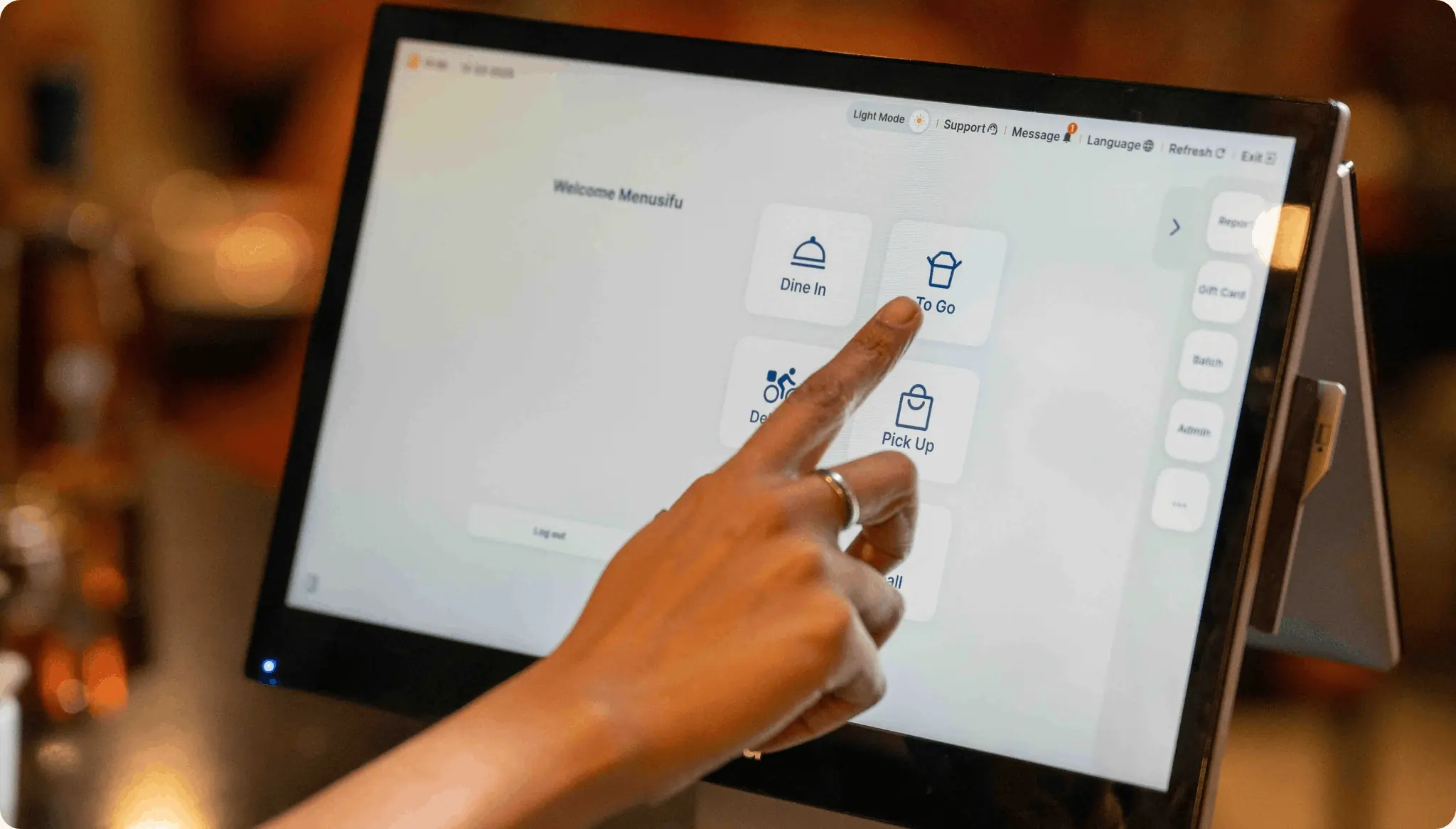
A loyalty program works better when it connects directly to your POS. Your team can enroll members, track points, apply rewards, and update customer profiles in one place. That cuts extra steps at checkout and keeps orders moving.
When loyalty runs inside your POS, staff do not need to switch between separate tools or enter rewards by hand. The system can attach points to each purchase, apply eligible discounts, and show member status right away. That helps your team apply rewards quickly and keep every transaction consistent.
This setup also gives you better visibility into performance. You can track which offers bring customers back, which members spend more, and which promotions lead to repeat orders. With that data, you can adjust your loyalty strategy based on what drives results.
A connected system also keeps the customer journey more consistent across channels. A customer can join through a kiosk, earn points through QR ordering, and redeem rewards at the counter through the same account. That creates a cleaner experience and helps your shop stay organized during busy hours.
Over time, POS-integrated loyalty supports stronger operations and steadier growth. Your team spends less time fixing reward errors and more time helping customers. You get cleaner reporting, better customer tracking, and a loyalty program that supports repeat visits and long-term revenue.
The best loyalty program fits naturally into how your shop takes orders, tracks customer activity, and encourages repeat visits. When your rewards program is easy to join, easy to use, and connected to your POS, it can support stronger retention and higher average order value over time.
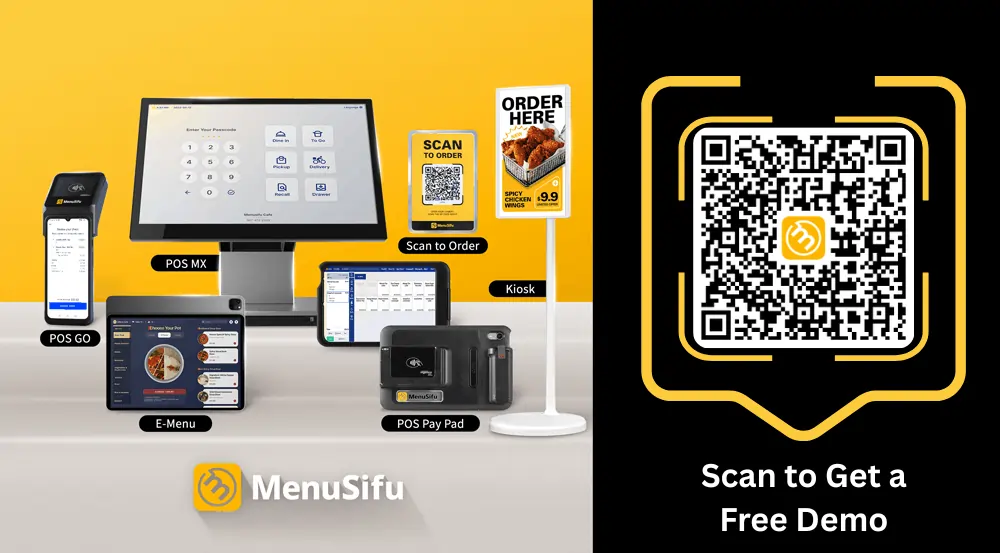
If you want to connect loyalty with daily operations, MenuSifu offers a bubble tea POS system built for beverage shops, along with a restaurant loyalty program that supports points, tiered rewards, birthday offers, SMS campaigns, and sign-ups through counter POS, kiosk, and QR ordering. That gives your shop one connected system for ordering, promotions, and customer retention.
Book a Free Demo with MenuSifu today to see how a connected loyalty and POS setup can help your shop grow repeat business more efficiently.
Here are quick answers to common questions about bubble tea loyalty programs. Use them to choose the right setup for your shop and improve results over time.
The best loyalty program for a bubble tea shop depends on your goals. A points-based program works well if you want to reward spending, while a visit-based program fits shops that want to encourage frequent return visits. If you want to reward high-value customers and build stronger retention, a tiered boba loyalty program can be a strong choice.
A boba tea loyalty program can increase average order value by rewarding higher spend and upsells. You can offer bonus points for larger orders, extra toppings, combo deals, or premium drink upgrades. This encourages customers to add more to each purchase so they can earn rewards faster.
Yes. Connecting your loyalty program to your POS helps you track visits, points, and rewards in real time. It also reduces manual work, keeps customer data accurate, and helps staff apply rewards quickly at checkout.
Promote your loyalty program at every touchpoint, including the counter, self-ordering kiosk, QR ordering page, online checkout, and social media. Offer a simple sign-up process and a clear incentive, such as a welcome reward, birthday perk, or points on the first purchase. Train your staff to consistently mention the program so more customers see its value and join.
Rewards that work well for bubble tea shops include free drinks, topping add-ons, size upgrades, birthday perks, points-based discounts, and member-only offers. These rewards encourage repeat visits and can help increase average order value when you tie them to higher spend or visit frequency. Choose rewards that fit your margins and match what your customers order most often.
For more ideas on loyalty, POS tools, and bubble tea shop growth, visit our blog section for additional insights and updates.
Related Articles: